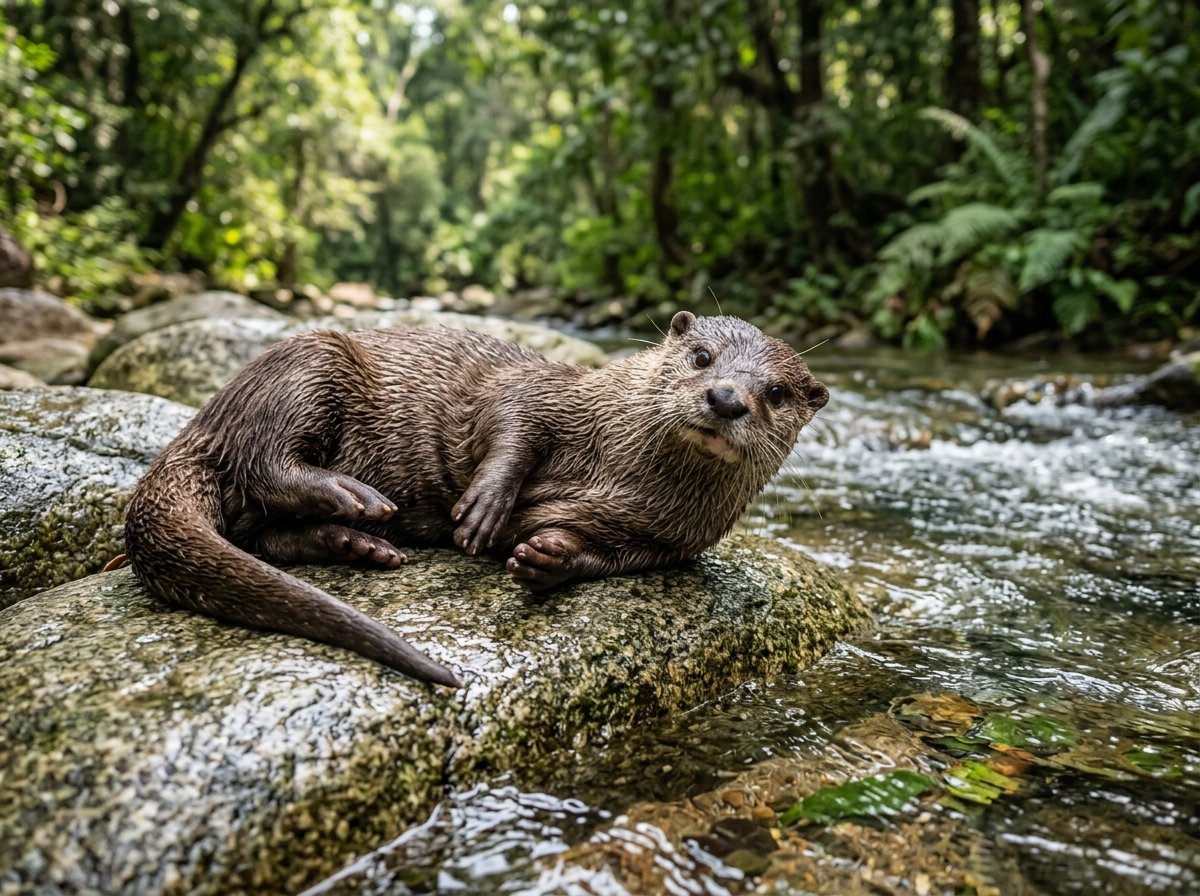
 Asian Smooth-Coated Otter
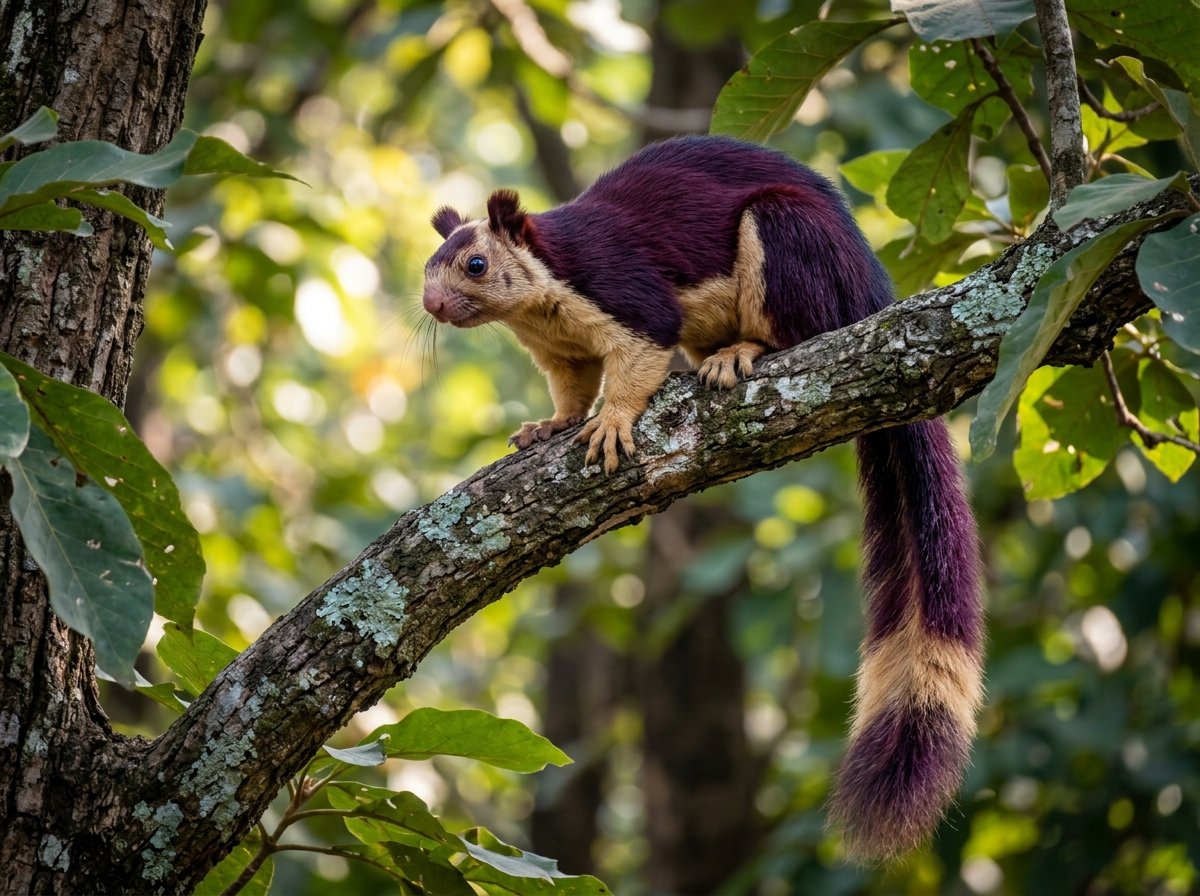 Indian Giant Squirrel
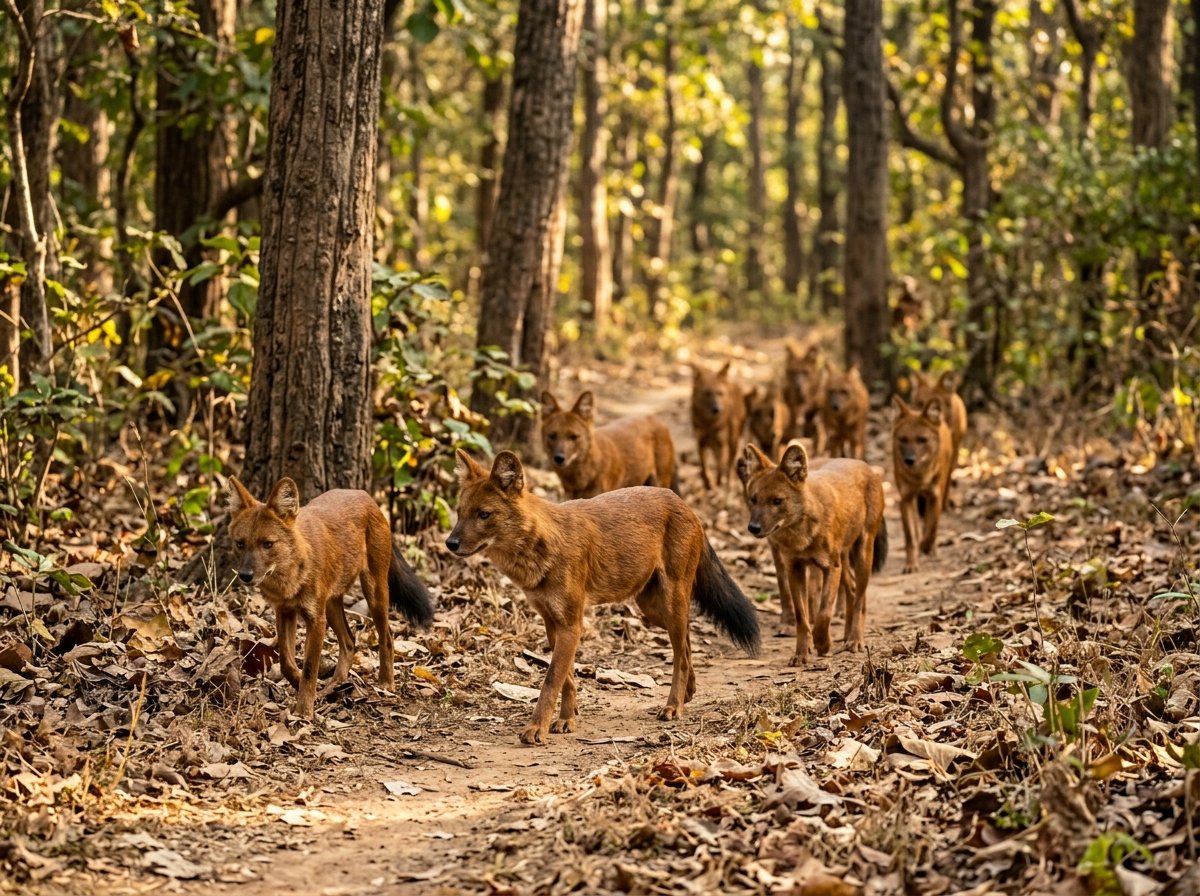 Wild Dog (Dhole)
 Grey Wolf
 Spotted Deer
 Sloth Bear
 Nilgai
Comprehensive details on history, geographical information, total area, climate, ecological significance, and administration.
Chaprala Wildlife Sanctuary was officially declared as a protected area by the Government of Maharashtra on 25 February 1986 through Revenue & Forest WLP 1085 CR-75/F-5. An area of 134.78 sq. km was brought under protection to conserve its rich natural heritage.
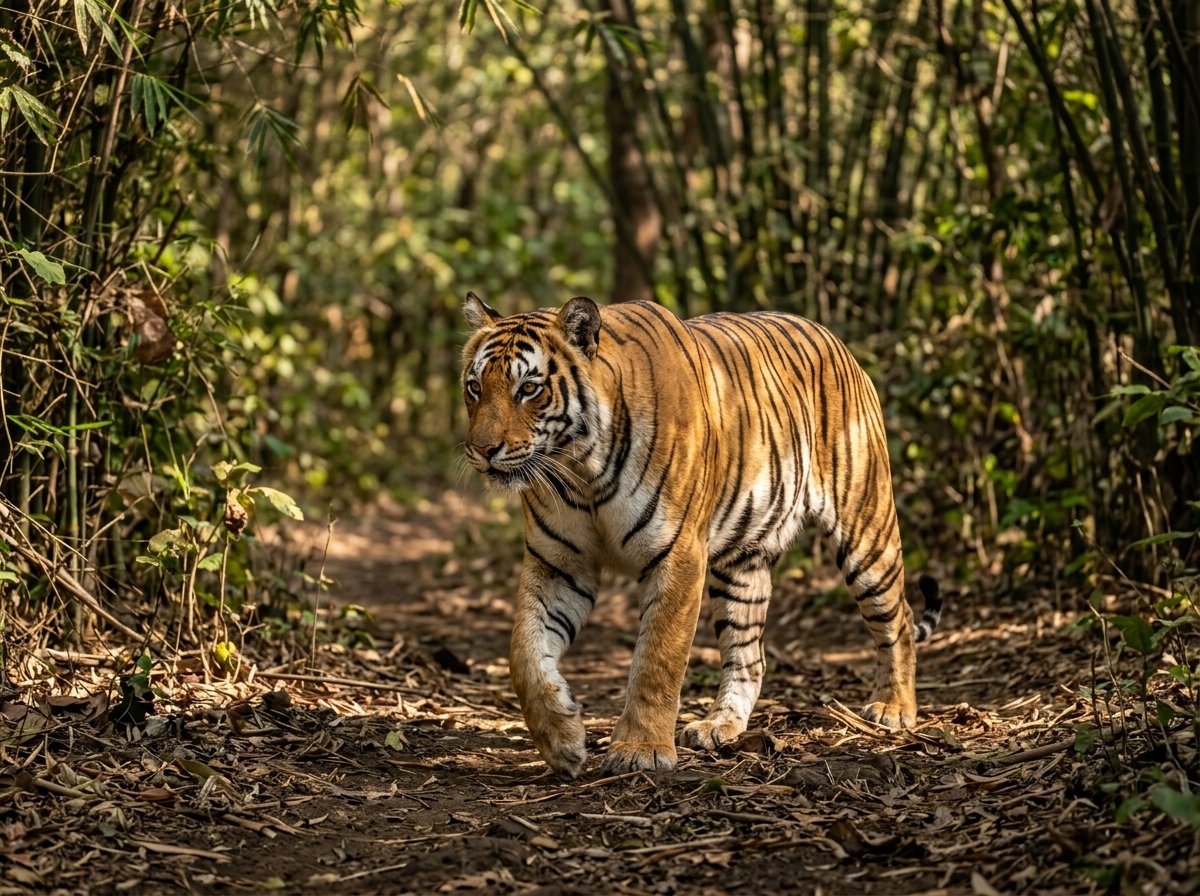
The sanctuary gets its name from Chaprala village located within the forest area. Since its establishment, it has played an important role in conserving regional biodiversity. The area supports diverse plant life, including teak and bamboo forests with many medicinal species, and provides habitat to wildlife such as tiger, leopard, wild dog, sloth bear, giant squirrel, otter, and a large variety of birds, reptiles, fish, and amphibians.
Chaprala Wildlife Sanctuary lies between 79°47’52”E to 79°56’43”E longitude and 19°31’40”N to 19°42’25”N latitude. It is located partly in Chamorshi Tahsil and Mulchera Tahsil of Gadchiroli district in Maharashtra. The sanctuary is managed by the Sub-Divisional Forest Office (Wildlife), Allapalli. For overall administration and higher-level management, it comes under the Conservator of Forest and Field Director of Tadoba Andhari Tiger Reserve, Chandrapur.
Chaprala Wildlife Sanctuary covers about 134.78 sq. km in Gadchiroli district. It includes 118.83 sq. km of Reserved Forest, 5.29 sq. km of Protected Forest, and small portions of private, revenue, and dereserved forest land.
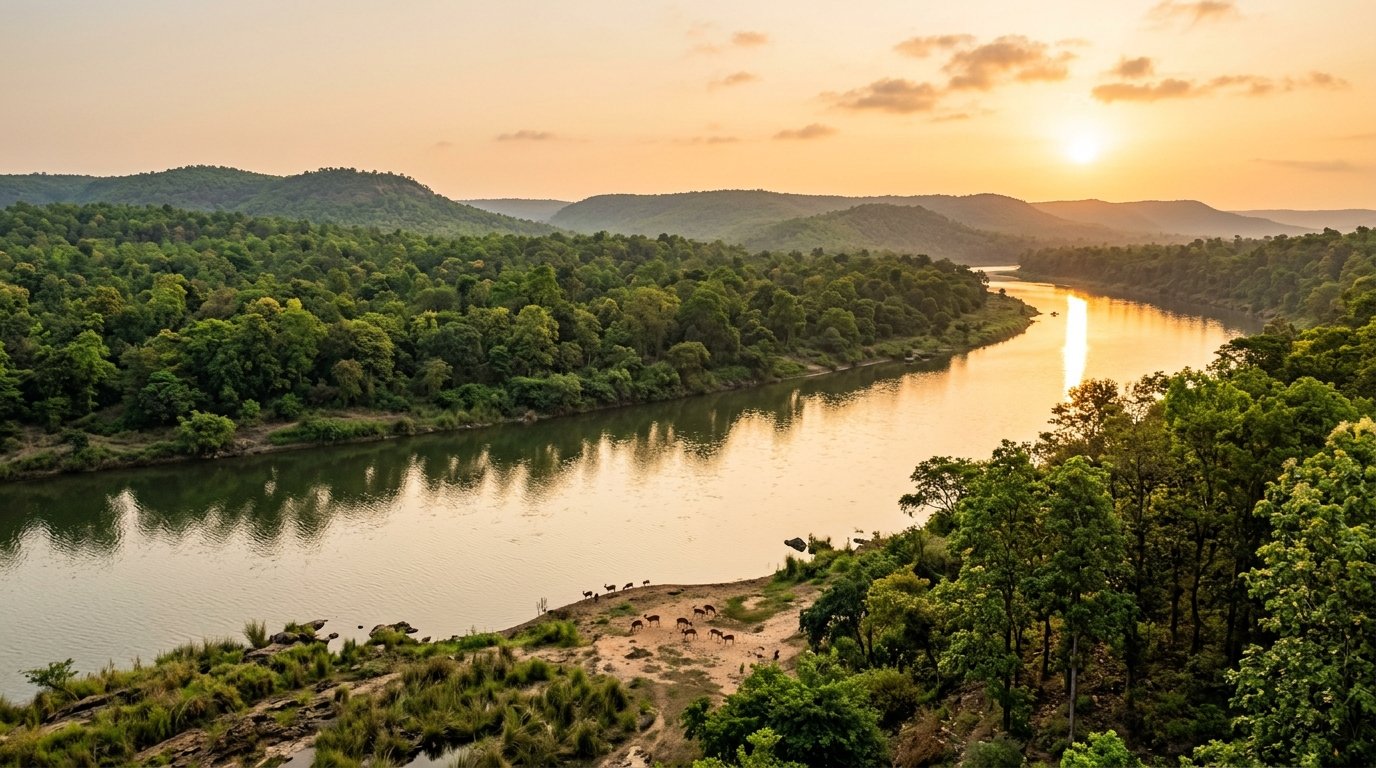
The sanctuary is bordered on three sides by the Markhanda Range of Allapalli Forest Division, while the Pranhita River forms its western boundary, separating it from Telangana.
Chaprala Wildlife Sanctuary has a typical tropical climate with three main seasons.
Hot and dry, and temperatures often rise above 40°C. Water sources shrink during this time, and wildlife is mostly seen near rivers and waterholes.
Brings moderate to heavy rainfall. The forest turns dense and green, and the Pranhita River flows strongly, recharging water bodies and supporting aquatic life.
Cool and pleasant, making it the best time to visit. The comfortable weather also supports wildlife movement and bird activity.
This seasonal cycle supports dry deciduous forests and helps maintain rich biodiversity throughout the year.
Chaprala Wildlife Sanctuary plays an important role in maintaining ecological balance in eastern Maharashtra. The sanctuary protects dry deciduous forests, riverine habitats, and grassland patches that support diverse wildlife, including the Indian giant squirrel and the Asian smooth-coated otter along the Pranhita River. These habitats provide food, shelter, breeding areas, and safe movement routes for many species.
Ecologically, Chaprala acts as a vital wildlife corridor linking forest landscapes with Tadoba-Andhari Tiger Reserve. This connectivity allows natural movement of animals such as tigers and other large mammals between habitats, helping maintain genetic diversity and healthy populations.
By functioning as a buffer and linkage zone, the sanctuary strengthens regional conservation efforts and supports long-term survival of wildlife across the larger Central Indian landscape.
Office of Field Director & Chief Conservator of Forest, Chandrapur
Overall administration and higher-level management of Tadoba Andhari Tiger Reserve & Chaprala.
Sub-Divisional Forest Office (Wildlife), Allapalli
Direct divisional management of Chaprala Wildlife Sanctuary.
Email: sdfowlalpli@gmail.com
Range Forest Office (Wildlife), Chaudampalli
Ashti - Allapalli road, Chaudampalli - 442707
Taluka- Chamorshi, Dist- Gadchirol, Maharashtra, India
Email: rfochaudampalli2018@gmail.com
Chaprala Wildlife Sanctuary is a beautiful landscape where dense forests, the flowing Pranhita River and wide grasslands come together to create a rich home for wildlife.
The strength of the forest is seen in powerful predators like the Tiger, Leopard and Dhole. These top hunters show that the ecosystem is healthy and balanced. The sanctuary also shelters important species such as the Sloth Bear, Indian Wolf, Fishing Cat, Asian Smooth-coated Otter and Four-horned Antelope. In the grasslands, the graceful Chinkara can be seen. Smaller but rare animals like the Rusty-spotted Cat and the Indian Giant Squirrel add to its uniqueness. Altogether, including wild boar, nilgai and spotted deer.
The river and wetlands bring another layer of life. Birds such as the River Lapwing, Oriental Darter, River Tern and Black-headed Ibis depend on these waters. Grasslands support species like the Rufous-tailed Lark and Indian Roller. At night, the forest echoes with the calls of the Mottled Wood-Owl and the Indian Nightjar. The rare Striated Grassbird in the tall riverine grasses makes this landscape even more special.
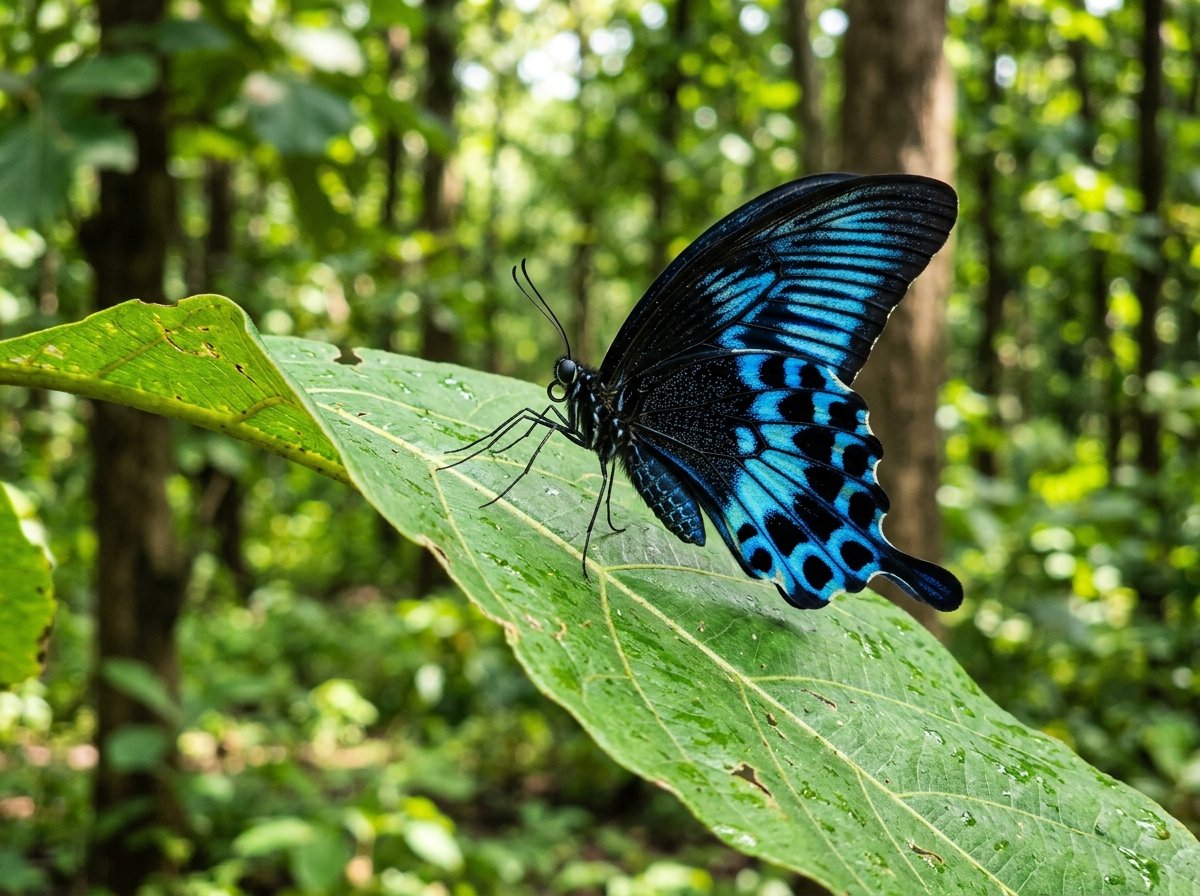
Butterflies add bright color to the sanctuary. The state butterfly of Maharashtra, the Blue Mormon, is commonly seen here. Species like the Common Lascar and Common Banded Peacock are present in good numbers. Rare species in this region such as the Paint-brush Swift, Medus Brown and the carnivorous Apefly make the area even more interesting.
In total, the sanctuary supports around 160 bird species, 59 butterfly species, 39 mammals, 25 reptiles, 12 fish and 7 amphibians. The forest is mainly dominated by teak and bamboo, along with many medicinal plants. More than 73 tree species have been recorded here, along with 17 grass species, 31 climbers and lianas, 36 graminoids, 20 shrub species and 166 herb species, showing the rich plant diversity of the area.
Because of its rich mix of forests, riverbanks and grasslands, Chaprala Wildlife Sanctuary is not just important for conservation but also for research. As a wildlife corridor, it connects different landscapes and supports the movement of many species. Large parts of the sanctuary are still less explored, which means there is a real chance of finding new or lesser-known animals here. For researchers and nature lovers, Chaprala feels like a living natural laboratory, full of opportunities for future discoveries.
Dhannur Lake Boating • Safari Status • Best Visiting Season • Safety Guidelines
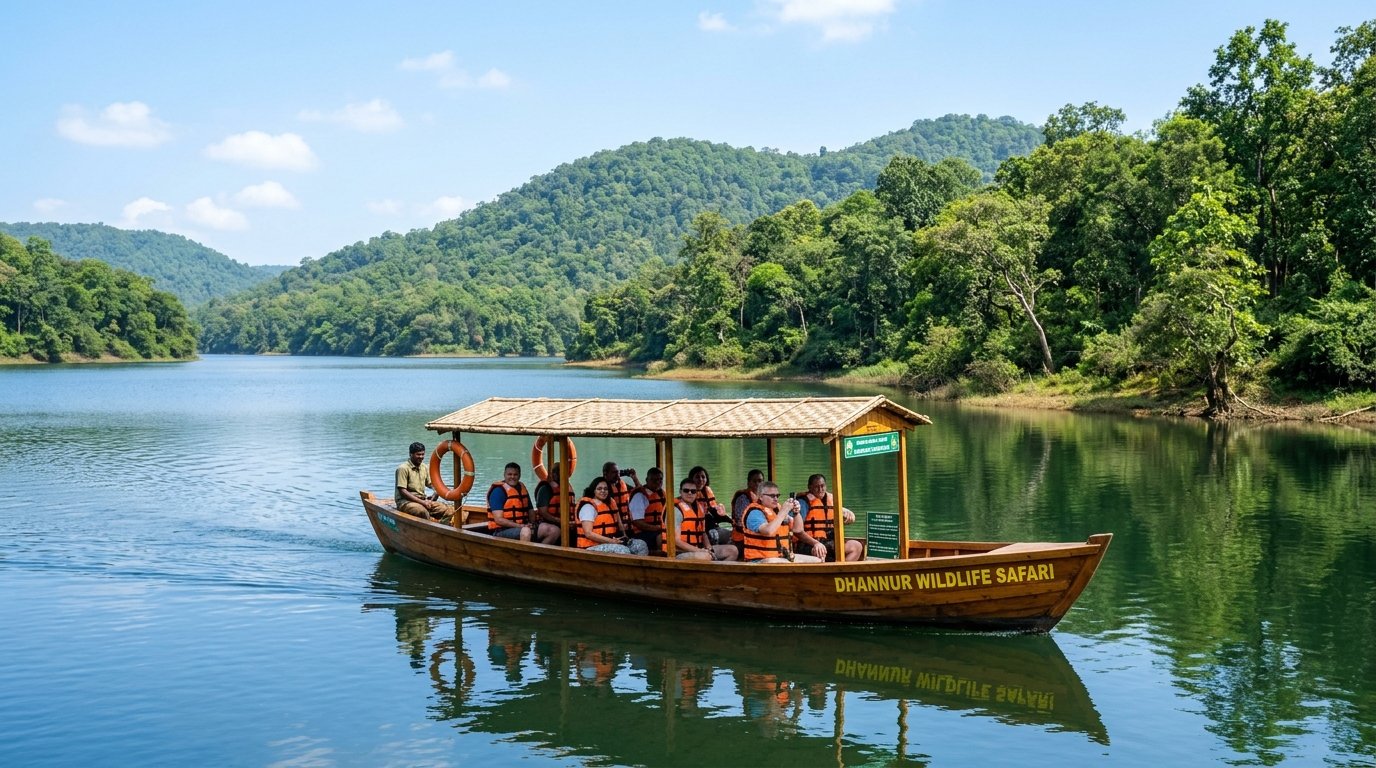
Boating is available at Dhannur Lake in Chaprala Wildlife Sanctuary, as per Forest Department guidelines and permitted timings.
The best time to visit Chaprala Wildlife Sanctuary is November to February. The weather is cool and pleasant, ideal for wildlife viewing and birdwatching. Post-monsoon months keep the forest green, and the Pranhita River has good water flow, attracting animals.
Connectivity by Road, Rail & Air • Lodging, Nearest Towns & Live Location Map
Chaprala is about 235 km from Nagpur and 80 km from Chandrapur. Regular State Transport buses are available from Nagpur and Chandrapur to Ashti, Allapalli, Chaudampalli, and Chaprala. Taxis can be hired from Allapalli and Ashti.
The nearest railway station is Ballarshah (BPQ), located about 65 km away. Chandrapur railway station is around 80 km from the sanctuary. Both stations connect directly to major Indian express routes.
The nearest airport is Dr. Babasaheb Ambedkar International Airport, Nagpur (NAG), approximately 235 km from Chaprala, with regular connecting flights to major Indian cities.
Nearby important towns include Ashti, Ballarshah, Allapalli, and Aheri.
About 13 hotels are available at Ashti. Forest Rest Houses are located at Markhanda (2 suites), Allapalli (4 suites), and Chaprala (2 suites).
Primary Health Centers (PHCs) are available at Ashti, Markhanda, and Aheri.
Nature • Wildlife • Forest landscapes • Seasonal views
Chaprala Wildlife Sanctuary,
Ashti – Allapalli road, Chaudampalli – 442707
Taluka- Chamorshi, Dist- Gadchirol, Maharashtra, India
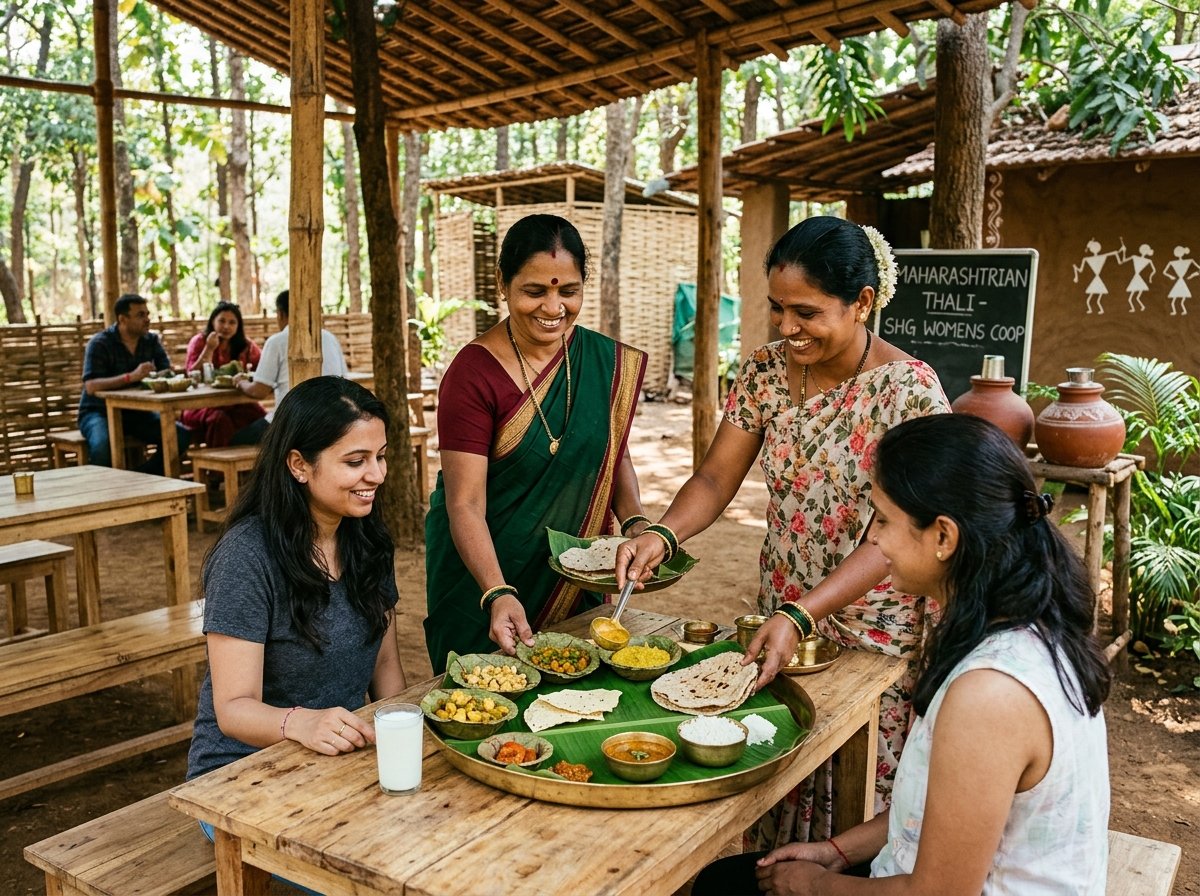
Tourists visiting Dhannur Ecotourism can order food in advance through EDC Samiti Dhannur. Advance booking helps our local cooking team prepare fresh meals on time and ensures smooth service without any delay.